What Affects The Lifespan Of An Air Conditioner?
Most people don't think about their air conditioner until it stops working. By then, a system that could have lasted another five years is already beyond saving — and the cost of replacement is significantly higher than what consistent care would have been.
Air conditioning in Coffs Harbour is a genuine year-round necessity, and understanding what actually determines how long a system lasts can help
homeowners and
businesses get far more value from their investment. The factors involved go well beyond the brand on the unit — they include how the system was installed, how it's used day to day, the local climate it operates in and how often it receives professional attention.
Table of Contents
- System Quality Sets the Starting Point
- Poor Installation Shortens a System's Life
- Does Climate Put Extra Pressure on Air Conditioners?
- Usage Patterns Influence Wear Over Time
- The Role of Routine Servicing in System Longevity
- Ignoring Small Problems Creates Bigger Ones
- How System Sizing Affects Long-Term Performance
- When to Repair Versus When to Replace
- Get Expert Advice From Our Team
System Quality Sets the Starting Point
Not all air conditioners are built to the same standard, and the quality of the unit itself plays a significant role in how long it will reliably operate. A higher-quality system tends to use more durable components, offer better thermal management and perform more efficiently under sustained load — all of which contribute to a longer service life.
When evaluating system quality, a few things are worth considering:
- Energy efficiency ratings, which often reflect the quality of internal components
- Compressor type, as inverter compressors generally have a longer lifespan than fixed-speed models
- Brand reputation and parts availability, which affects repairability over time
- Warranty terms, since longer warranties often signal manufacturer confidence in the product
Poor Installation Shortens a System's Life
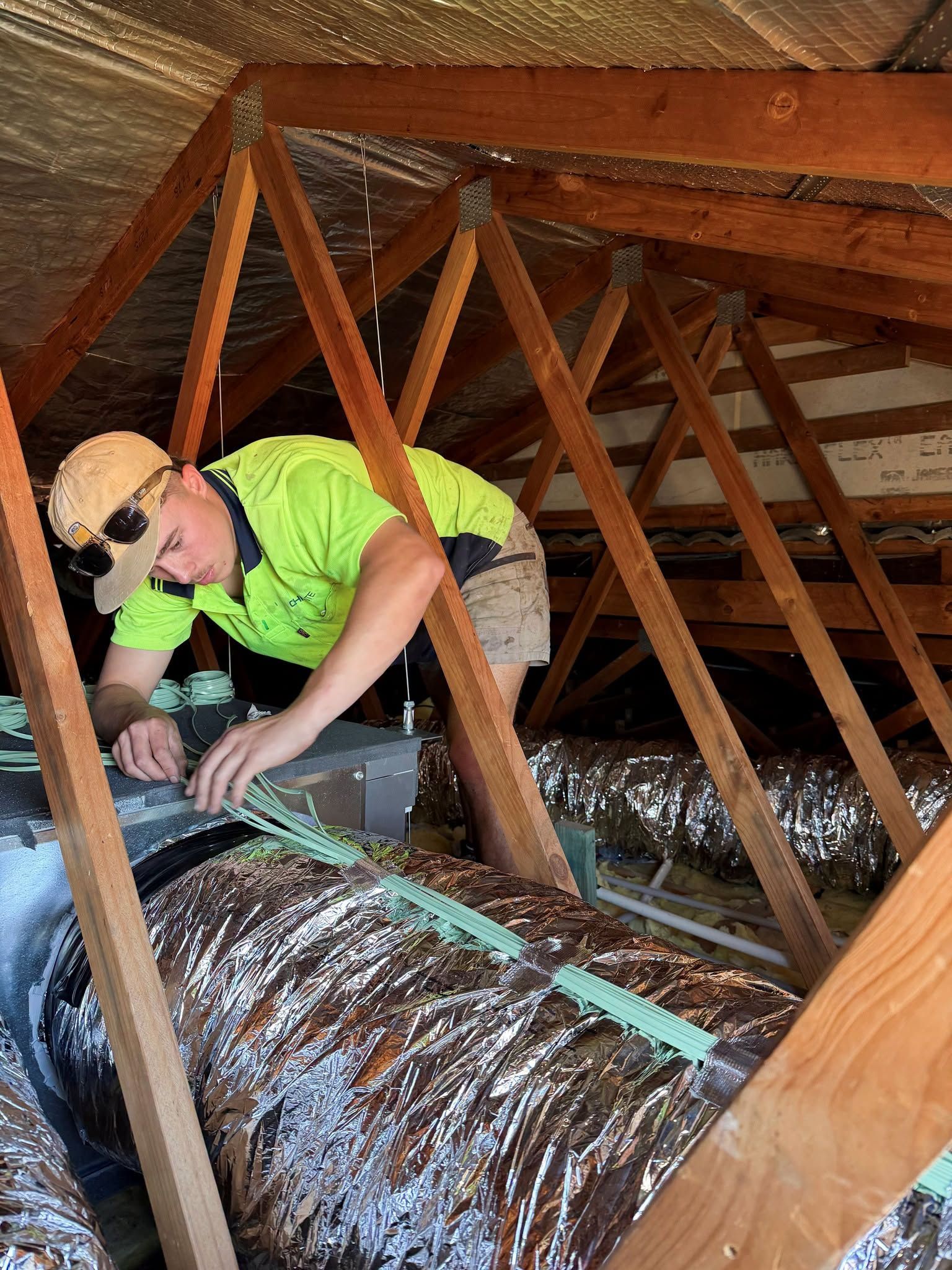
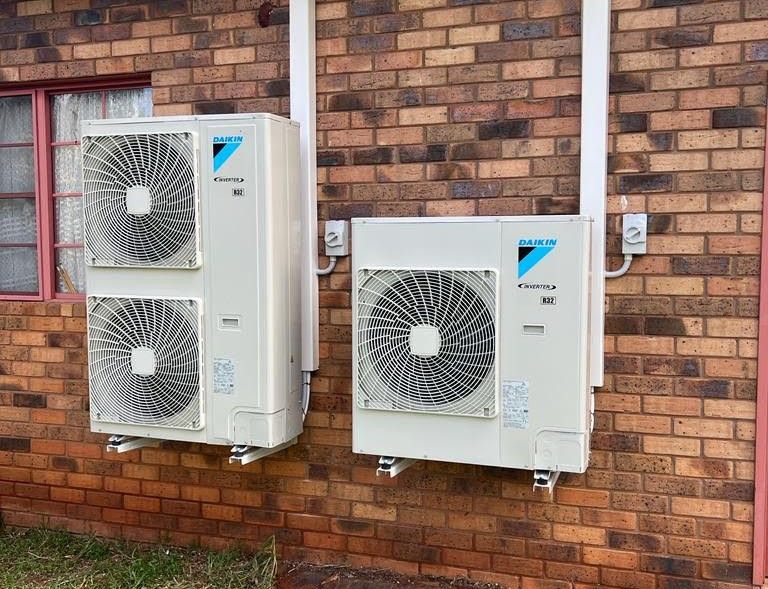
A quality unit installed poorly will underperform from day one and deteriorate faster than it should. Installation standards directly influence how efficiently the system operates and how much strain is placed on its components during normal use.
Common installation issues that reduce system lifespan include:
- Incorrect refrigerant charge, which forces the compressor to work harder
- Poorly sealed ductwork or inadequate insulation around refrigerant lines
- Incorrect sizing for the space, leading to short-cycling or constant overload
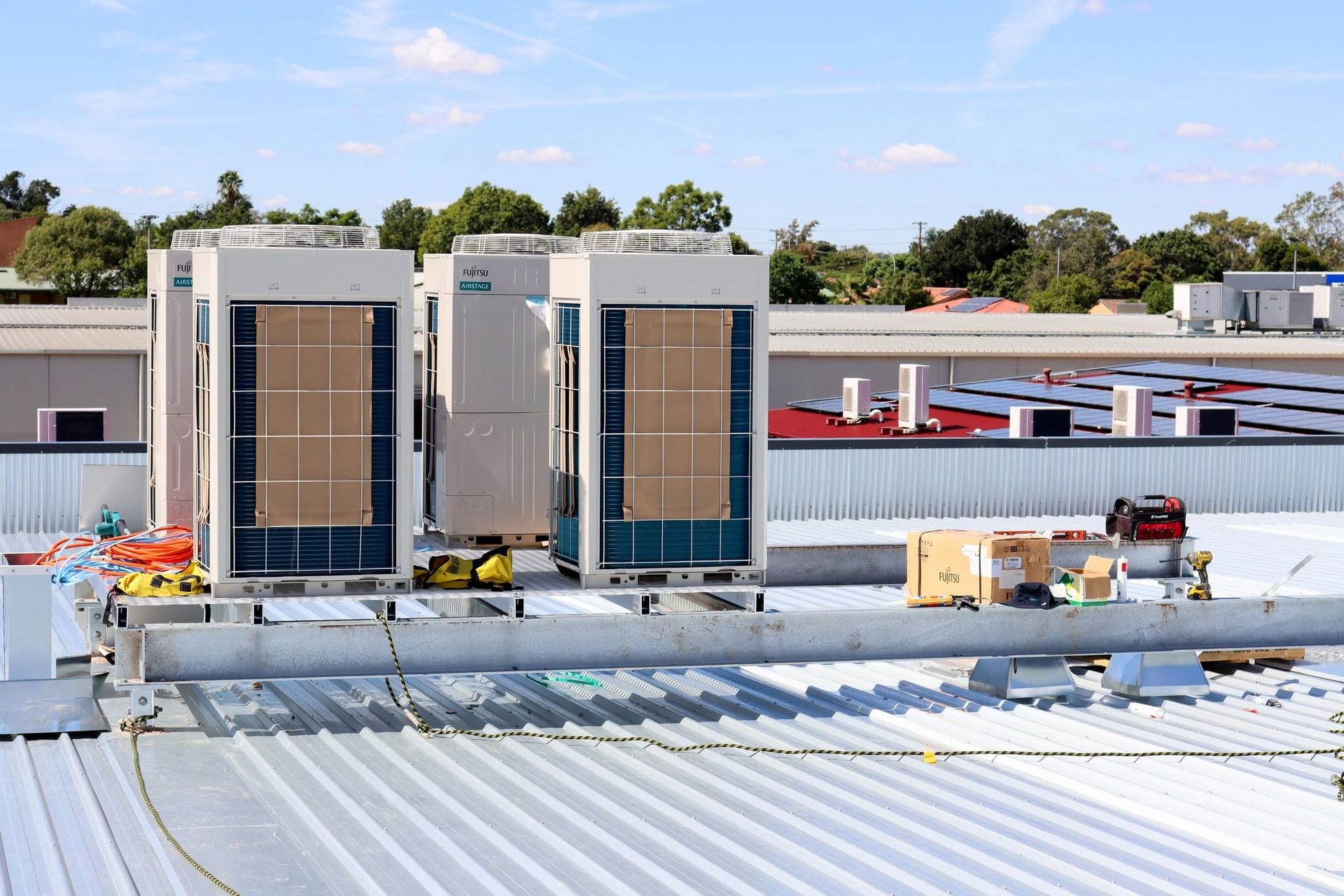
- Indoor and outdoor unit placement that restricts airflow or creates heat build-up
Does Climate Put Extra Pressure on Air Conditioners?
Operating conditions have a direct impact on how hard a system has to work, and coastal and subtropical environments introduce specific challenges. High humidity, salt-laden air and prolonged periods of heavy use all accelerate the wear on key components.
Conditions that typically place additional stress on air conditioning systems include:
- Coastal air with elevated salt content, which corrodes condenser coils and electrical contacts
- High ambient temperatures that reduce heat exchange efficiency and push the compressor harder
- Extended cooling seasons that increase total operating hours per year
- Humidity fluctuations that affect drainage systems and encourage mould growth in ducts
Usage Patterns Influence Wear Over Time
How a system is used day to day has a measurable effect on how long it lasts. Running a unit at extreme settings for long periods, or switching it on and off repeatedly in short intervals, places unnecessary stress on the compressor and other mechanical components.
Habits that tend to shorten system lifespan include:
- Setting the thermostat significantly lower or higher than necessary, forcing continuous operation
- Frequently turning the system on and off rather than allowing it to cycle naturally
- Running the system with dirty filters, which reduces airflow and increases motor strain
- Leaving doors and windows open while the system is operating, creating constant thermal load
The Role of Routine Servicing in System Longevity
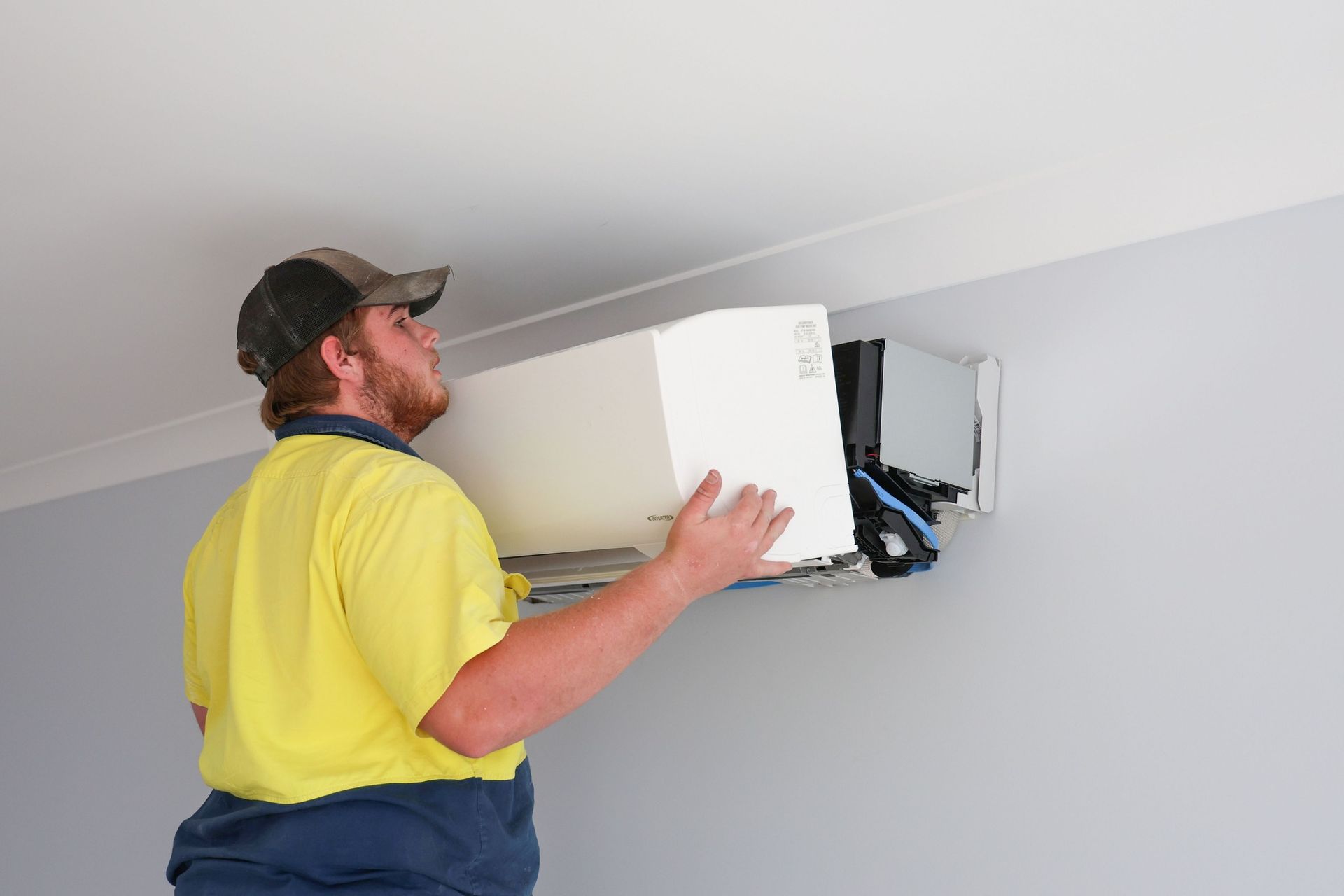
An air conditioner that receives regular professional maintenance will almost always outlast one that is only attended to when something goes wrong. Servicing allows technicians to identify developing issues before they cause damage and to restore the system's efficiency, which reduces operating strain.
What a thorough service typically covers:
- Cleaning evaporator and condenser coils to restore heat transfer efficiency
- Checking refrigerant levels and inspecting for leaks in the refrigerant circuit
- Inspecting electrical connections, contactors and capacitors for signs of wear
- Clearing condensate drains to prevent water damage and bacterial growth
- Lubricating moving parts to reduce mechanical friction
Ignoring Small Problems Creates Bigger Ones
Minor faults that go unaddressed rarely stay minor. A slightly restricted airflow, a small refrigerant leak or a worn capacitor can each progress into a compressor failure or complete system breakdown if left unattended. Early intervention is almost always cheaper than the repairs it prevents.
Warning signs that a system needs attention sooner rather than later:
- Unusual noises during operation, such as rattling, grinding or clicking
- Reduced cooling or heating output despite the system running normally
- Increased energy bills without a corresponding change in usage
- Ice forming on the indoor unit or refrigerant lines
- Unpleasant odours, which may indicate mould, electrical issues or blocked drains
How System Sizing Affects Long-Term Performance
A correctly sized air conditioner runs in longer, more efficient cycles that place less mechanical stress on the system. An oversized unit cools too quickly and short-cycles, while an undersized unit runs almost continuously — both scenarios accelerate component wear and increase energy consumption.
The consequences of incorrect sizing often include:
- Premature compressor failure caused by repeated start-stop cycles
- Inconsistent temperature control, which increases user-driven adjustments and added strain
- Higher operating costs that compound over the lifespan of the system
- Reduced dehumidification performance in undersized systems, leading to comfort issues
When to Repair Versus When to Replace
Most air conditioning systems have a service life of around 10–15 years with proper care, though this varies based on the factors already discussed. As a system ages, repair costs tend to rise and efficiency declines — at some point, replacement becomes the more practical and economical decision.
Circumstances where replacement is generally worth considering:
- Repair costs that exceed 50% of the cost of a comparable new system
- A system approaching or beyond 12–15 years of age with recurring faults
- Significant reductions in energy efficiency that are increasing running costs
- Refrigerant types that are no longer in production or are increasingly expensive to source
Get Expert Advice From Our Team
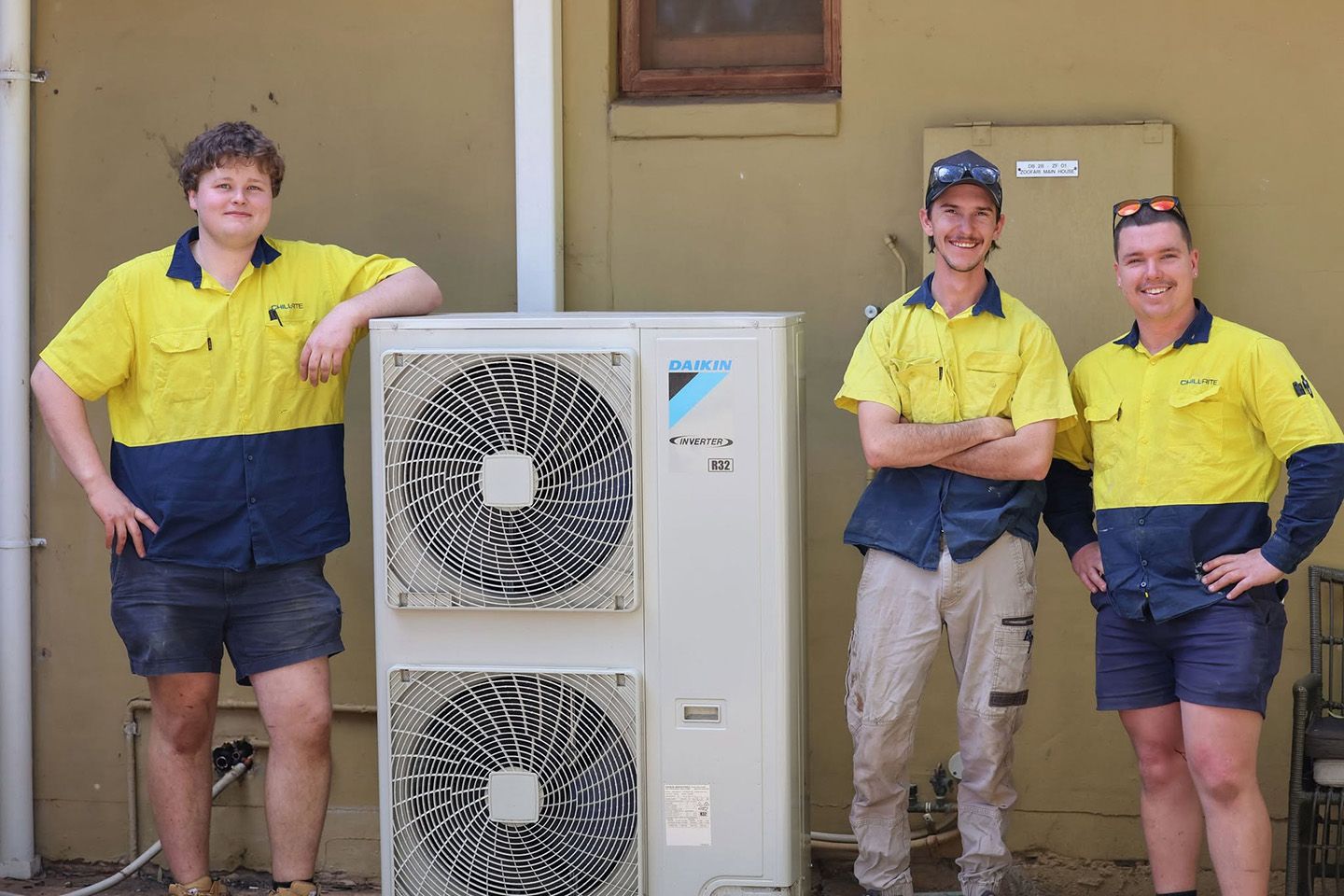
We at Chill-Rite Refrigeration & Air Conditioning understand the demands that the Coffs Harbour climate places on air conditioning systems — from coastal corrosion to extended summer seasons that push units hard for months at a time. Whether you're looking to extend the life of your current system through professional servicing, need advice on correct sizing for a new installation, or want an honest assessment of whether a repair or replacement makes more sense for your situation, we're here to help. Contact us today to book a service or speak with one of our experienced technicians about what your system actually needs.