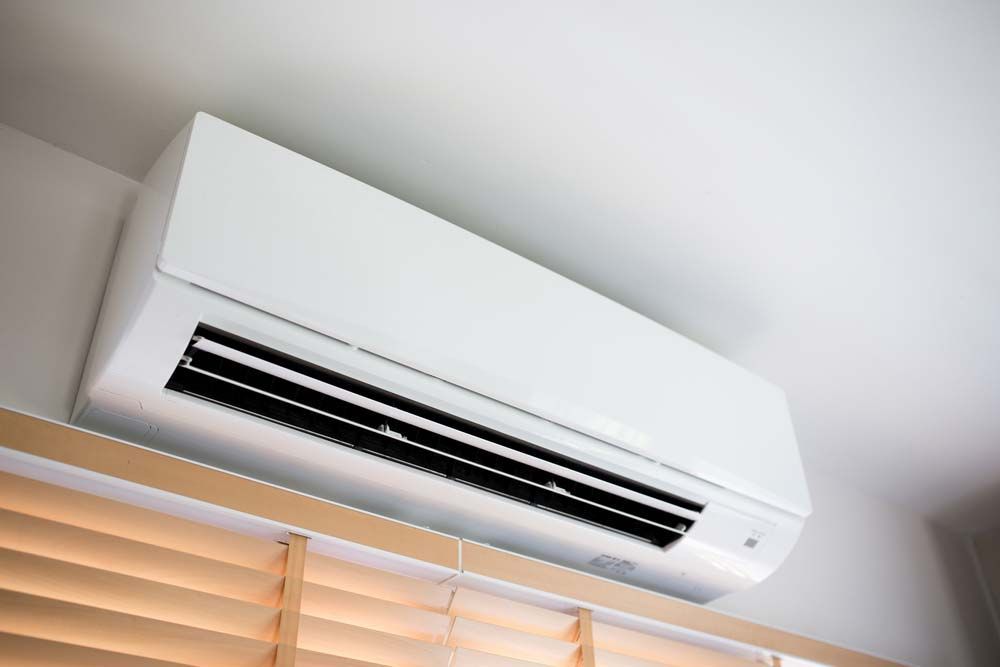
Most people notice it straight away. You switch on the air conditioner and something smells off. It might be faint at first, or it might hit you the moment the unit kicks in and starts pushing air through the room. Either way, it's not something to brush off.
Air conditioners don't produce odours for no reason. When something smells wrong, it usually means something is wrong inside the system. The cause might be a routine maintenance issue, or it might point to something that needs urgent attention. The challenge for most homeowners is knowing the difference. For those relying on
air conditioning in Newcastle, where humid summers create ideal conditions for a range of system problems, understanding what these smells mean is the first step toward getting them resolved.
When Mould and Moisture Take Hold
A musty, damp smell is one of the most common complaints homeowners raise, and it almost always points to mould or mildew growing somewhere inside the system. Air conditioners remove humidity from the air as part of normal operation, which means they produce condensation constantly while running. When that moisture fails to drain away properly, it lingers inside the unit and creates conditions where mould thrives quickly.
The smell itself might be subtle at first, but it tends to worsen over time as the growth spreads. Common areas where mould and moisture tend to accumulate include:
- Filters and internal housing
- The evaporator coil
- The drain pan and condensate line
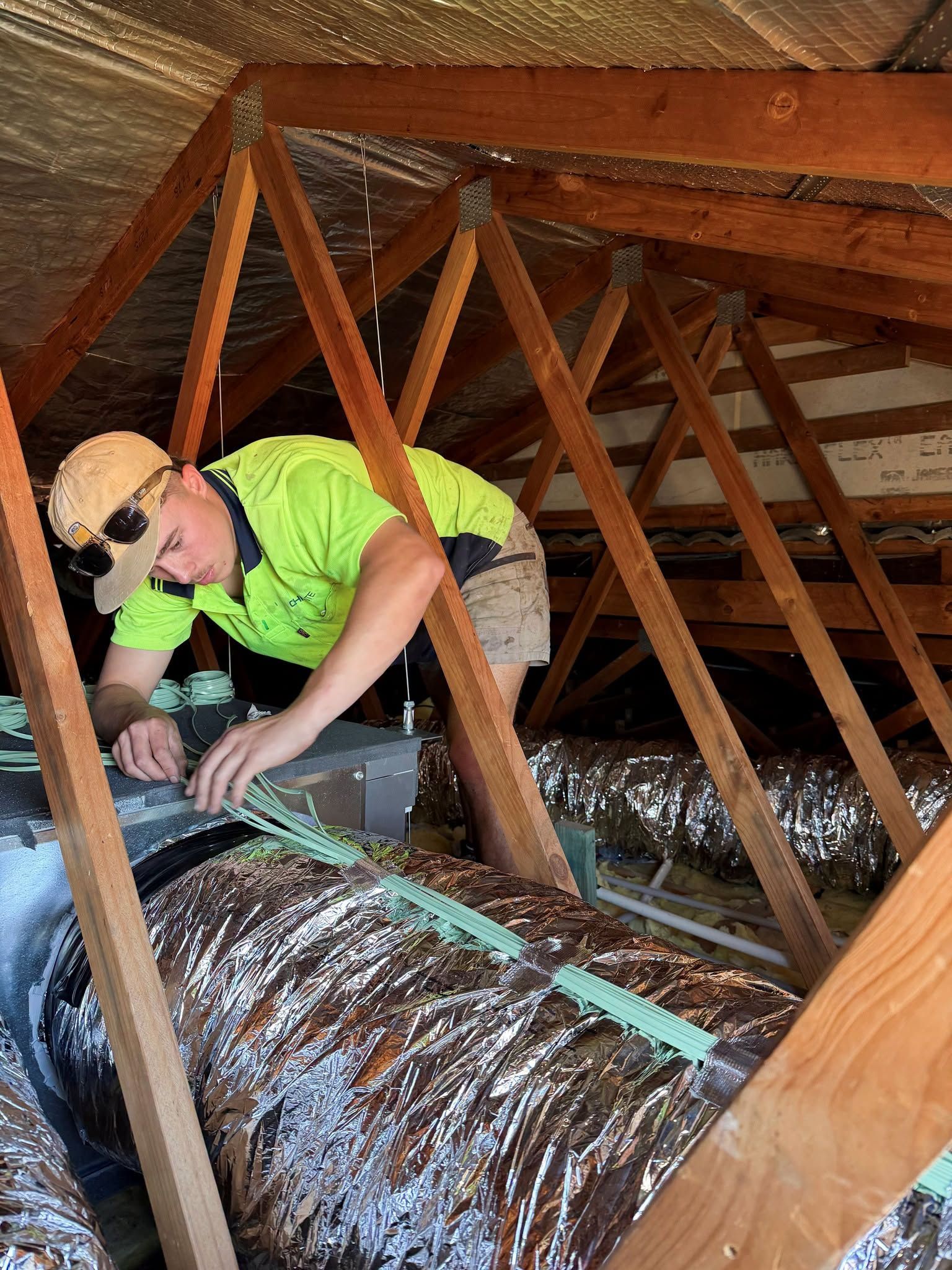
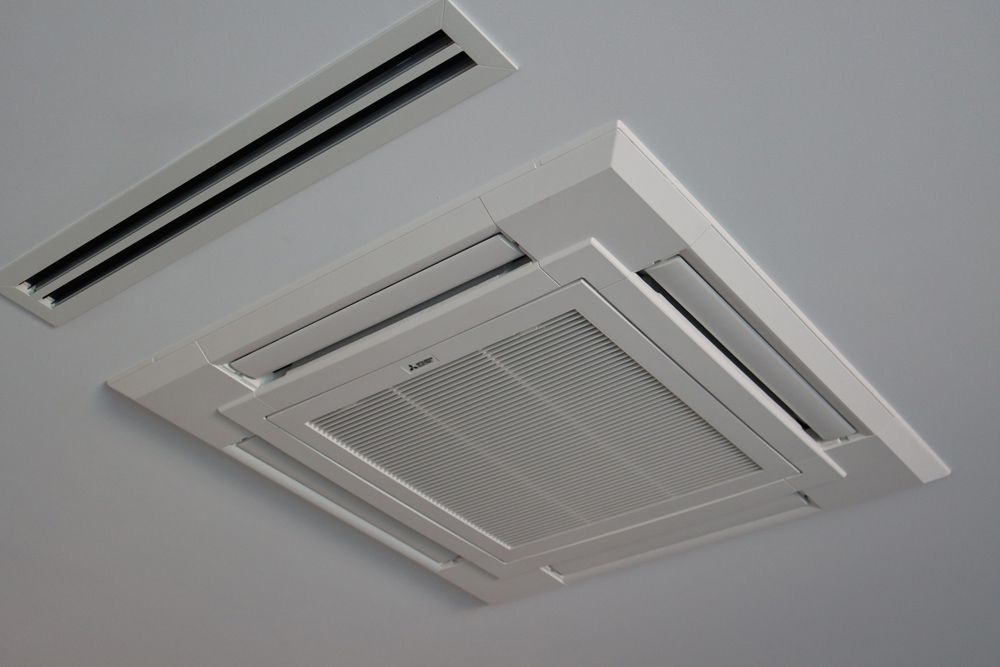
- Ductwork in ducted systems
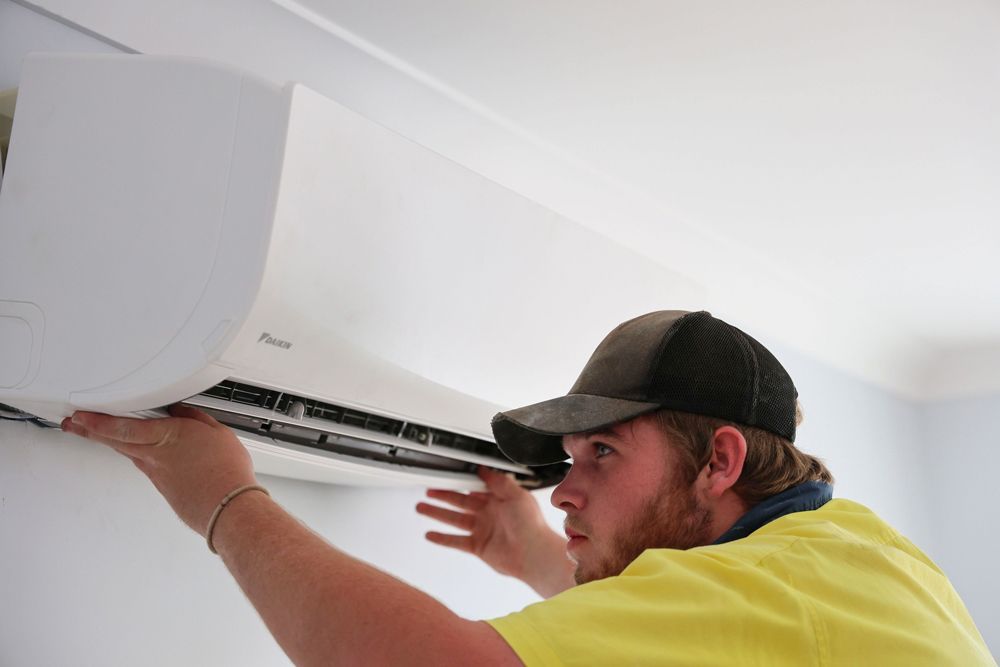
Beyond being unpleasant, a mould problem means your system is actively pushing spores through your home every time it runs. This is a particular concern for households with young children, elderly residents or anyone living with asthma or respiratory sensitivities. A technician can locate the source, clear the buildup and check that the drainage system is working as it should.
Signs of an Electrical or Mechanical Problem
A burning smell coming from your air conditioner is one that demands immediate attention. It often points to an electrical or mechanical fault developing inside the unit, and there are several possible causes worth being aware of:
- An overheating motor
- Damaged or fraying internal wiring
- A short in the circuit board or fan motor
- Melting plastic components near a heat source
In some cases the smell is less serious, such as dust burning off internal components after the system has sat unused for an extended period. But if the smell is sharp, chemical in character or doesn't clear within a few minutes, switch the unit off and call a technician straight away. Running an air conditioner with a faulty electrical component is a genuine fire risk, and the longer it runs, the greater the potential for serious damage.
Bacterial Buildup Inside the System
This smell has a very specific character: damp, stale and a little like a gym bag left in a hot car. It's a well-documented phenomenon in the industry, often called "dirty sock syndrome," and it results from bacteria and organic matter accumulating on the evaporator coil over time. The smell tends to be strongest when the unit first starts up and may fade after a few minutes, which leads many homeowners to dismiss it as normal.
It isn't. That bacteria doesn't clear on its own and won't improve without physical cleaning. A qualified technician needs to properly access and treat the coil to remove the buildup effectively. Ignoring it means continuing to circulate bacteria-laden air through your home every time the system runs, which affects both comfort and air quality.
Gas Leaks and Uninvited Pests
A rotten egg or sulphur smell from your air conditioner is one of the more serious warning signs you can encounter. Natural gas is completely odourless on its own, but suppliers add a sulphur-based compound specifically so leaks can be detected before they become dangerous. If that smell is coming through your vents, treat it as an emergency:
- Switch off the unit and avoid operating any electrical devices
- Don't use open flames or anything that could create a spark
- Leave the property immediately and move well away from the building
- Call your gas provider and wait for the all-clear before re-entering
A similar smell can also come from a small animal that has found its way into the ductwork and died there. While significantly less dangerous than a gas leak, it still requires a professional to locate, remove and sanitise the affected area. Either way, don't attempt to investigate the source yourself.
The Signs of a Refrigerant Leak
A faintly sweet or chemical smell, sometimes described as similar to acetone or nail polish remover, is a common indicator of a refrigerant leak. Refrigerant is the substance your air conditioner relies on to transfer heat and cool the air effectively, and when it escapes the system it affects both performance and the air you breathe. Other signs that often accompany a refrigerant leak include:
- Noticeably reduced cooling despite the system running as normal
- Ice forming on the unit or along the refrigerant lines
- A faint hissing or bubbling sound from inside the system
Refrigerant is a regulated substance that can only be handled legally by a licensed technician. Prolonged exposure to refrigerant vapour carries real health risks, so if you notice this smell alongside any of the above symptoms, book an inspection promptly. This isn't a problem that resolves itself.
Dust and Debris After a Long Break
If your
air conditioner in Newcastle has been sitting unused for several months and produces a dusty or slightly stale smell when you first switch it on, that's generally not cause for immediate concern. Dust and debris settle on internal components during extended periods of inactivity, and a mild smell typically clears within a few minutes once the system is running properly.
That said, if the smell lingers, seems stronger than expected or comes with reduced airflow, it's worth having a technician check the following before relying on it through a full season:
- Filters cleaned or replaced
- Coils and internal components inspected for buildup
- Drainage and overall airflow assessed
A pre-season service is a simple way to make sure your
air conditioning in Newcastle is ready to perform before the warmer months arrive.
Get Your System Checked by a Qualified Technician
Some of these smells point to routine maintenance issues. Others indicate faults that carry real safety risks. Without the right training and diagnostic equipment, it's genuinely difficult for a homeowner to tell the difference, and attempting to investigate independently can make things worse.
At
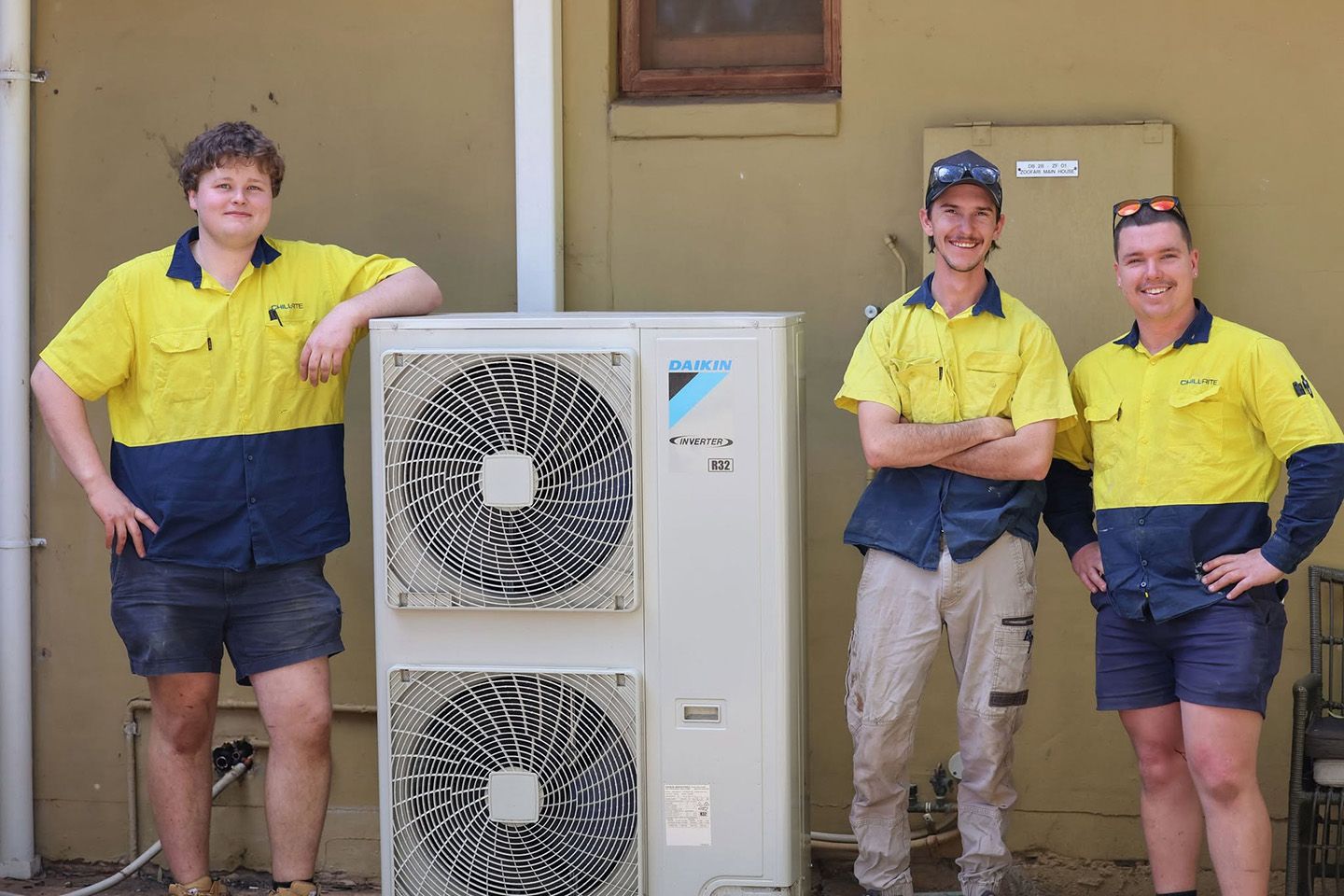
Chill-Rite Refrigeration & Air Conditioning, we provide professional air conditioning in Newcastle. If something smells off with your system,
get in touch with our team today to book an inspection and get it sorted.