7 Reasons Why Your Air Conditioning System Stops Working
Have you ever cranked up your air conditioning only to realise it’s no longer blowing cool air? You’re not alone—dealing with a malfunctioning cooling system on a sweltering day is incredibly frustrating. Understanding why your air conditioning system might stop working can save you time, stress and even money. In this blog, we’ll explore the most common reasons for air conditioning failures across air conditioning in Newcastle, Dubbo and Coffs Harbour, and how to prevent them.
Table of Contents
1. Dirty Filters
One of the most common reasons your air conditioning system may stop working is a clogged or dirty filter. Filters are essential for trapping dust, dirt and debris, but over time, they can become blocked. When this happens, your system has to work harder to circulate air, leading to overheating or freezing up.
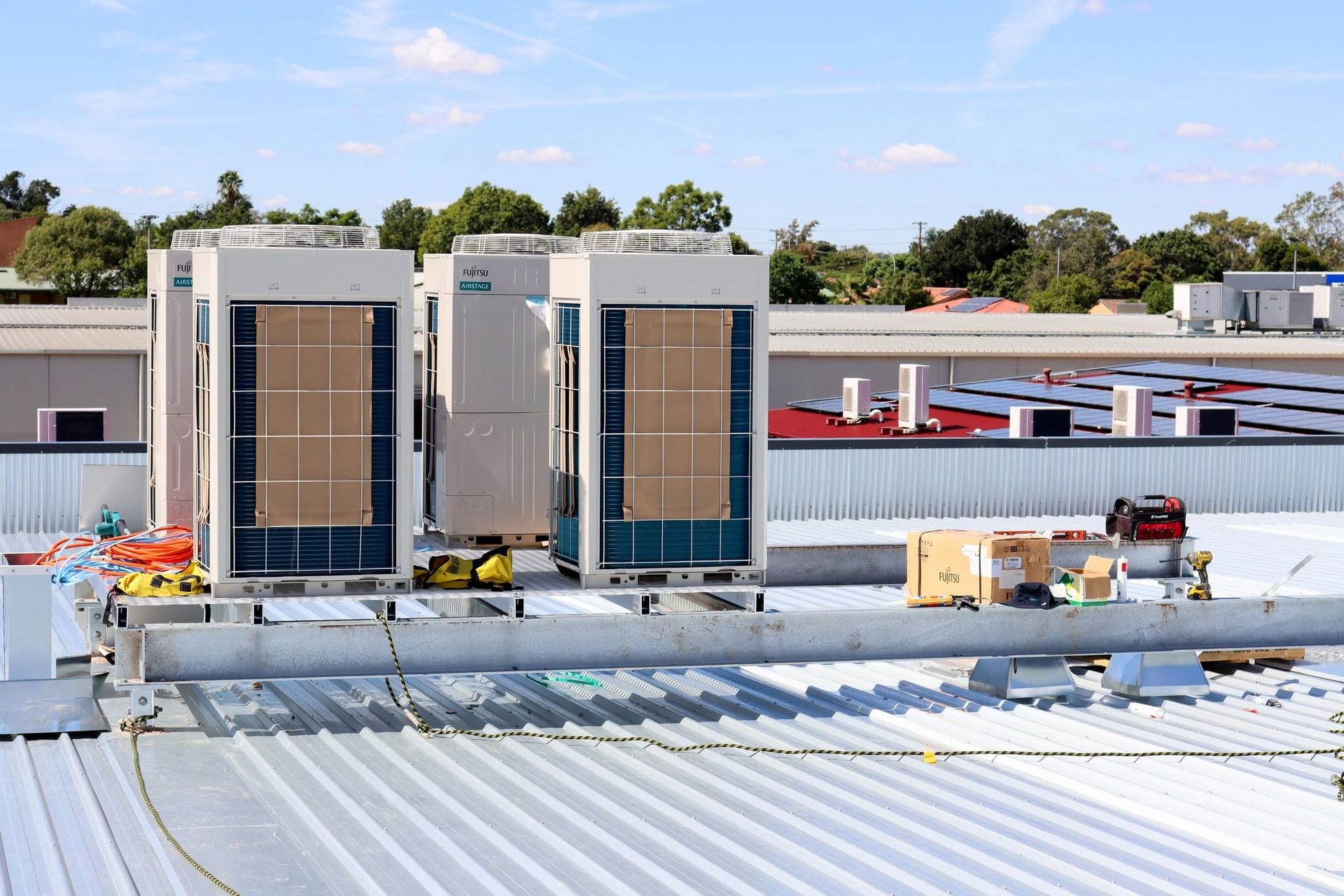
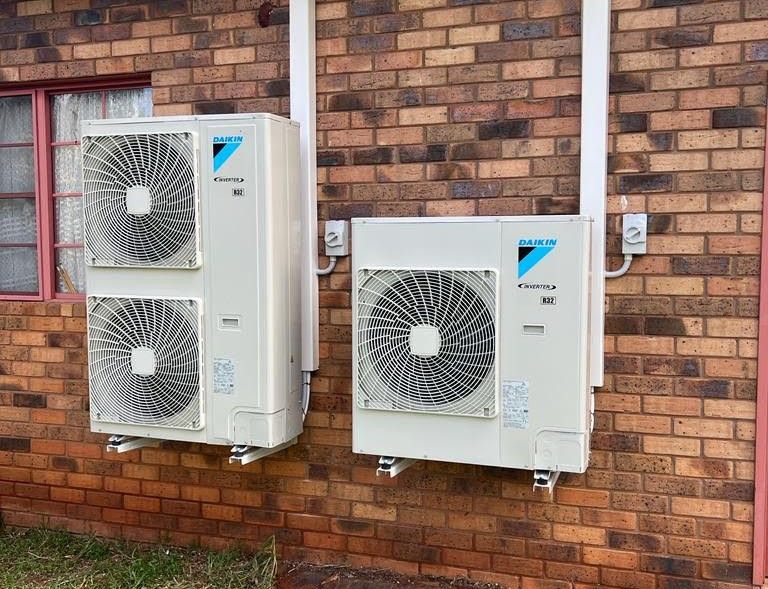
The outdoor condenser unit can cause the same kind of problem. Leaves, grass clippings and other debris that build up around the unit stop it from releasing heat properly, forcing the system to work harder or shut down altogether.
Solution: Regularly clean or replace filters to ensure unrestricted airflow. Depending on usage, it’s good practice to check and clean filters every month during peak summer use. Outside, keep 30–50cm clear on all sides of the condenser unit and hose down the coils each season to keep airflow unobstructed. Staying on top of both goes a long way toward avoiding the kind of neglect that shortens a system's working life—read more about what affects an air conditioner's lifespan.
2. Refrigerant Leaks
Refrigerant is crucial for cooling your air and if there’s a leak in your system, it won’t cool properly. Signs of a refrigerant leak include ice build-up on the refrigerant line, hissing sounds or an unusual increase in energy consumption.
Solution: If you suspect a refrigerant leak, it's essential to have a technician who can safely identify and fix the leak. This is not a DIY job, as refrigerant handling requires expertise and specialised equipment.
3. Thermostat Issues
Sometimes, the problem isn’t with the air conditioner but the thermostat. A malfunctioning thermostat can prevent your system from turning on or cause it to cycle on and off frequently.
Solution: Check that your thermostat is set to "cool" at the correct temperature. If it’s battery-operated, try replacing the batteries. For programmable thermostats, ensure that the schedule is set correctly.
4. Electrical Problems
Electrical failures are another frequent cause of air conditioners. Over time, wires can corrode or connections can loosen, leading to issues like the system not turning on or frequent tripping of circuit breakers.
Capacitors are another electrical component worth knowing about. They help the compressor and fan motor start and run, and like any component, they wear out over time—especially after repeated hot summers. A failing capacitor can show up as the same symptoms: a unit that won't start or a breaker that keeps tripping.
Solution: If your unit frequently trips the breaker or won’t turn on, it’s best to call an air conditioning technician. Working with electricity is dangerous and a professional can safely diagnose and fix the problem. Testing or replacing a capacitor is also a job for a technician, since it involves safely discharging stored electrical charge.
5. Frozen Evaporator Coils
Evaporator coils absorb heat, but if they freeze, your air conditioning system won’t function correctly. Frozen coils can result from airflow issues (such as dirty filters or blocked vents) or low refrigerant levels.
Solution: Turn off the unit and let the coils thaw. Make sure your filters are clean and airflow is not obstructed. If the coils continue to freeze, you may need a technician to inspect for underlying issues like refrigerant leaks or faulty components.
6. Drainage Issues
Air conditioning systems remove moisture from the air and this moisture needs to be drained away. If the drain line is blocked or the drain pan is full, it can cause water to back up into the unit, leading to shutdowns or water damage.
Solution: Regularly check the condensate drain line for clogs and ensure the drain pan is empty. Many systems have safety switches that shut the system down when the pan is full, so keeping this area clean can prevent unnecessary shutdowns.
7. Compressor Failure
The compressor is the heart of your air conditioning system, pumping refrigerant through the unit. If the compressor fails, the entire system won’t function. Overheating, electrical issues or refrigerant problems can lead to compressor breakdowns.
Solution: Preventive maintenance is key. Regular servicing can identify minor issues before they escalate into costly compressor failures. If your compressor is beyond repair, a replacement may be necessary. If your system is already 10–15+ years old, breakdowns tend to become more frequent, so it's worth raising repair-versus-replace with your technician rather than paying for repeat repairs.
If your system stops working unexpectedly, start by checking the basics: Is the thermostat set correctly? Are the filters clean? If these checks don’t resolve the issue, it’s time to call in a professional.
Schedule A Professional Air Conditioning Check-Up Now!
Air conditioning system failures are frustrating, but regular maintenance and prompt attention to minor problems can avoid many common issues.
At Chill-Rite Refrigeration & Air Conditioning, we provide comprehensive services, from installation to maintenance and repairs, ensuring your air conditioning system stays in top shape. Our team of licensed and certified technicians offers efficient solutions for all your air conditioning system needs. Contact us today for reliable service and keep your air conditioning in Orange and beyonfd running smoothly all year.