Choosing the right air conditioner involves more than finding a unit that fits your wall or budget. The system needs enough cooling capacity to manage your room's temperature without using more electricity than necessary.
If you're wondering, "what size air conditioner do I need?", the answer depends on your room's floor area, ceiling height, insulation and exposure to sunlight.
Dubbo's hot summers make choosing the right capacity particularly important. This guide provides a starting point for estimating air conditioner sizes in kilowatts (kW), helping you understand your options before arranging an in-home assessment.
Understanding Air Conditioner Sizes & Cooling Capacity
Air conditioners are rated according to their cooling capacity, measured in kilowatts. This indicates how much heat a system can remove from a room, rather than how much electricity it consumes. Larger rooms generally require greater capacity, but floor area alone doesn't determine the right size. Ceiling height, insulation, windows and household activities also affect cooling requirements.
As a general starting point, room sizes may correspond to:
- 10–20 m²: approximately 2.0–2.5 kW of cooling capacity.
- 20–40 m²: approximately 2.5–5.0 kW, depending on room conditions.
- 40–60 m²: approximately 5.0–8.0 kW for larger living areas.
These are broad estimates rather than fixed recommendations. A site assessment helps determine whether your home requires a different capacity.
What Size Air Conditioner Suits a Bedroom?
Bedrooms typically need less cooling capacity than living areas because they are smaller and often have fewer occupants. However, a west-facing bedroom can become particularly hot during summer afternoons. Poor insulation, large windows and high ceilings may also increase cooling requirements. Choosing an oversized system isn't necessarily beneficial, as excessive capacity can affect temperature control and efficiency.
For typical bedrooms, consider these specifications:
- Small bedrooms of 10–15 m² may suit approximately 2.0–2.5 kW.
- Medium bedrooms of 15–20 m² may require around 2.5–3.5 kW.
- Larger bedrooms of 20–30 m² may need approximately 3.5–5.0 kW.
The final choice should account for sunlight, insulation and how the room is used throughout the day.
Choosing the Right Capacity for Living Rooms
Living rooms often require greater cooling capacity because they accommodate more people and may connect to other spaces. Large windows, sliding doors and open layouts can increase heat gain, particularly during Dubbo's warmer months. When comparing
air conditioning in Dubbo, homeowners should consider whether their living area is enclosed or connected to a kitchen, dining room or hallway.
Here are some common living room estimates:
- Smaller living rooms of 20–30 m² may require approximately 3.5–5.0 kW.
- Medium living areas of 30–45 m² may suit around 5.0–7.0 kW.
- Larger spaces of 45–60 m² may need approximately 7.0–8.0 kW or more.
Open-plan layouts may require additional capacity or a different system arrangement to maintain comfortable temperatures throughout the space.
Air Conditioning for Open-Plan Kitchens & Dining Areas
Kitchens and dining areas can generate additional heat through cooking appliances, refrigeration and household activity. In an open-plan home, this heat contributes to the cooling requirements of the entire living space. While residential kitchens have different requirements from commercial facilities, understanding
how to achieve optimal ventilation in commercial kitchens highlights the importance of managing heat, moisture and airflow. An air conditioner should complement suitable kitchen ventilation rather than replace it.
When sizing an open-plan kitchen and dining area, account for:
- The total connected floor area rather than the kitchen alone.
- Heat produced by ovens, cooktops and other appliances.
- The position of windows, doors and existing ventilation.
A qualified installer can assess whether one larger system or multiple units would distribute cooling more effectively.
What About Home Offices & Smaller Rooms?
Home offices, studies and smaller multipurpose rooms may not require large air conditioners, but their cooling needs can differ from bedrooms. Computers, monitors and other equipment produce heat, while prolonged daytime use may increase demand. Rooms facing afternoon sunlight can also become uncomfortable despite their relatively small floor area.
For smaller rooms, consider:
- Compact studies of 8–12 m² may suit approximately 2.0–2.5 kW.
- Home offices of 12–20 m² may require around 2.5–3.5 kW.
- Rooms with substantial electronic equipment or afternoon sun may need additional capacity.
A suitable system should account for how long the room is occupied and the heat generated by equipment.
How Ceiling Height & Orientation Affect Sizing
Two rooms with identical floor areas can require different cooling capacities. Higher ceilings increase the volume of air within a space, while windows facing strong afternoon sunlight can introduce additional heat. Roof insulation, wall construction and external shading also influence how quickly rooms warm up. These factors are particularly relevant when asking, "what size air conditioner do I need?" for an older home or a property with large windows.
Factors that may increase cooling demand include:
- Higher ceilings that create a greater volume of air to cool.
- West-facing windows exposed to strong afternoon sunlight.
- Limited insulation or insufficient shading around external walls and windows.
A proper cooling load assessment considers these conditions rather than relying exclusively on floor measurements.
Split Systems vs Ducted Air Conditioning
The number of rooms requiring cooling can influence which air conditioning system suits your home.
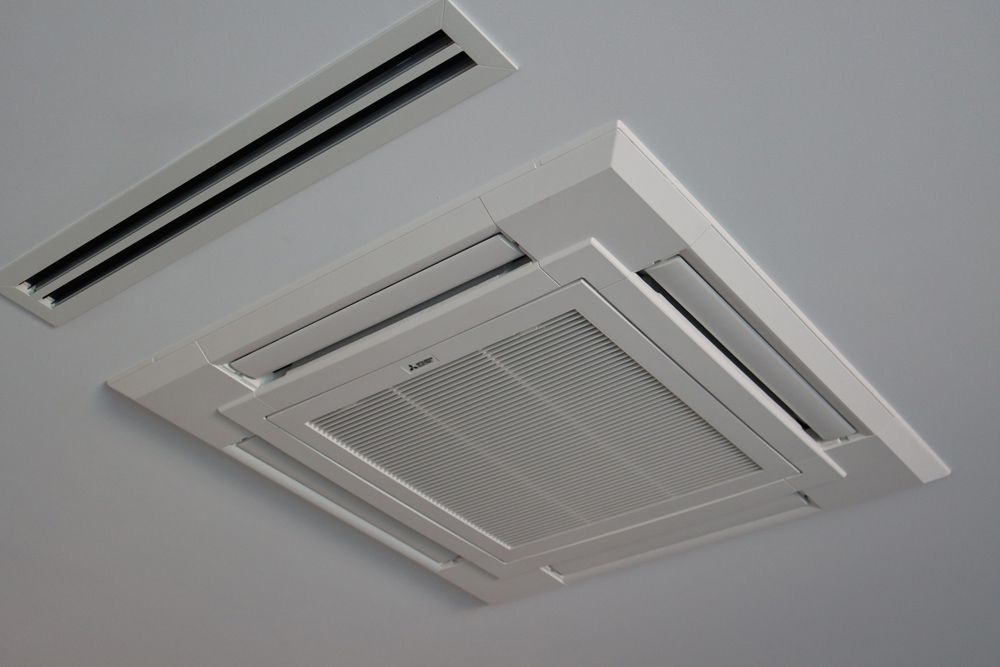
Split system air conditioning is commonly used to cool individual rooms or selected living areas, while ducted systems distribute conditioned air through outlets connected to a central unit. Neither arrangement is automatically suitable for every property, as installation requirements, room layouts and budgets vary.
The main differences are:
- Split systems provide targeted cooling for individual rooms or defined spaces.
- Ducted systems can condition multiple rooms through a network of ceiling or floor outlets.
- Zoned ducted configurations may allow selected areas to operate independently, depending on the design.
An assessment of your home's layout can help determine which system offers suitable coverage without unnecessary capacity.
Why Getting Air Conditioner Capacity Right Matters
An undersized air conditioner may struggle to maintain comfortable temperatures during extreme heat, potentially operating for extended periods without reaching the desired setting. An oversized system can also create problems, particularly where it cycles frequently or provides uneven temperature control. Correct sizing helps balance comfort, equipment operation and electricity consumption.
Before accepting an installation quote, check:
- Whether the proposed capacity accounts for insulation, ceiling height and window orientation.
- How the installer calculated the cooling requirements for each room.
- Whether the recommended system suits your expected usage and household layout.
Understanding the reasoning behind a capacity recommendation can help you compare quotes and make a more informed decision.
Find the Right Air Conditioner for Your Dubbo Home
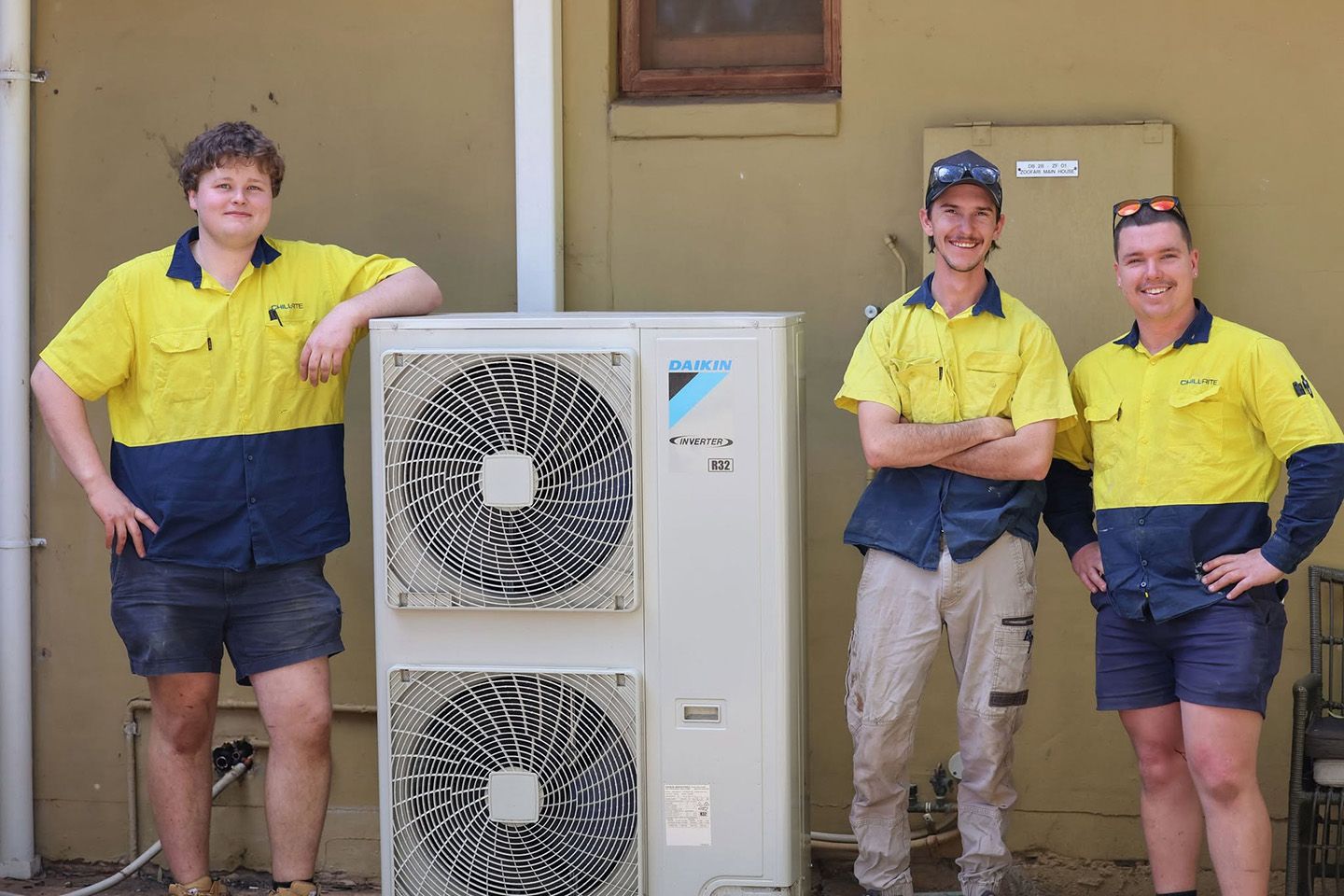
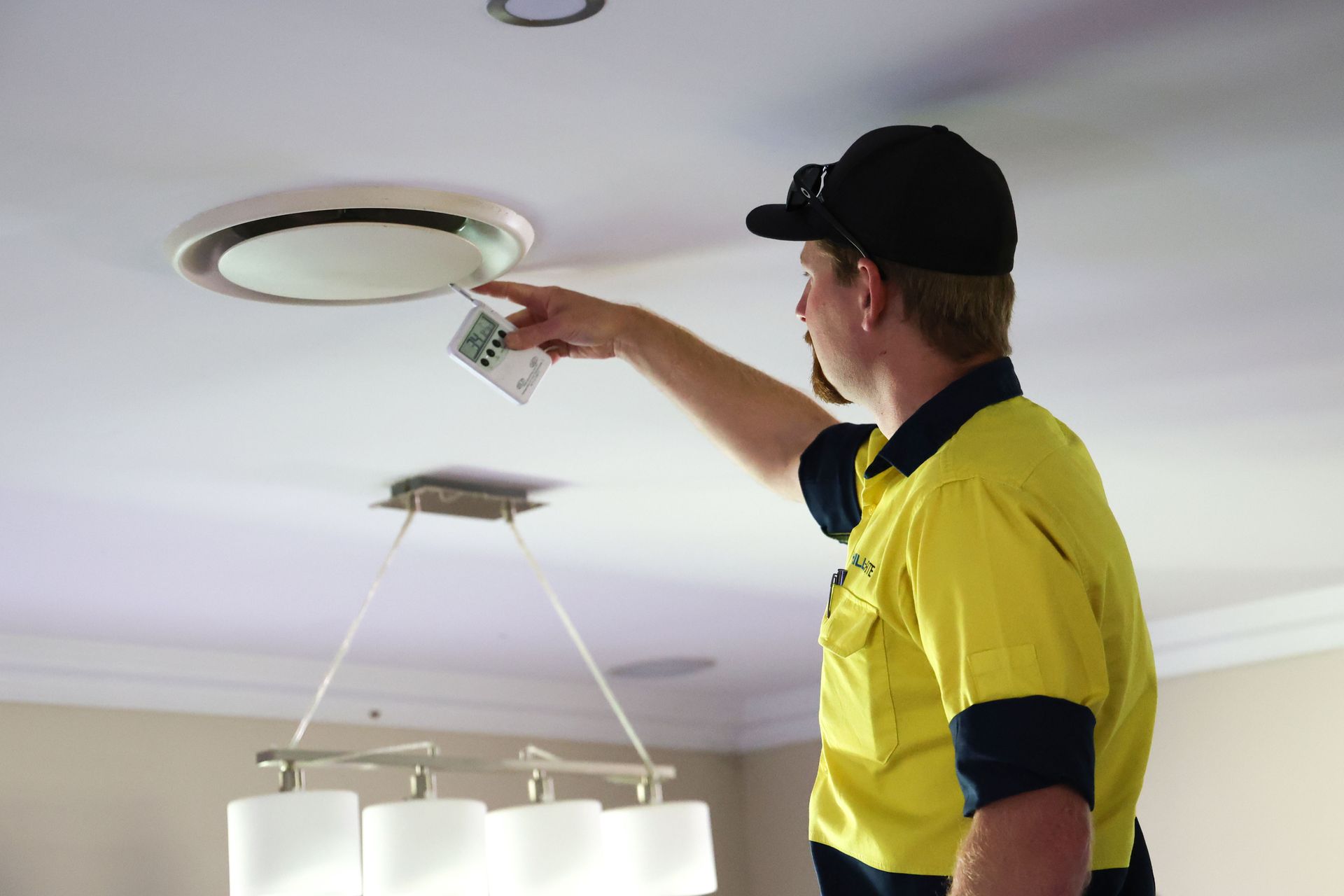
At Chill-Rite, we help homeowners in Dubbo explore air conditioning options suited to their room sizes, property layouts and cooling requirements.
Whether you're installing a unit in one bedroom or considering cooling for an open-plan living area, we can assess your home and discuss suitable system capacities.
If you're still asking, "what size air conditioner do I need?",
get in touch with our team to arrange an assessment and discuss your installation requirements.
Frequently Asked Questions
Can One Air Conditioner Cool Multiple Bedrooms?
A single air conditioner may provide some cooling to adjoining rooms, but effectiveness depends on airflow, door positions and the building layout. Separate rooms often require individual indoor units or a properly designed ducted system for more consistent temperature control.
Does a Larger Air Conditioner Use More Electricity?
Larger-capacity systems can consume more electricity when operating at higher output, but actual energy use depends on efficiency, operating conditions and runtime. A correctly sized efficient system may use less energy overall than an unsuitable unit that struggles to maintain the desired temperature.
Can You Install an Air Conditioner in an Older Home?
Yes, many older homes can accommodate modern air conditioning systems. However, electrical capacity, insulation, wall construction and available installation space should be assessed first. Some properties may require additional preparation or electrical work.
Should You Choose Reverse Cycle Air Conditioning?
Reverse cycle air conditioners provide both cooling and heating, making them suitable for households that want year-round temperature control. Their suitability depends on the home's heating requirements, system efficiency and installation conditions.
How Often Should a Home Air Conditioner Be Serviced?
Servicing frequency depends on the system type, usage and manufacturer recommendations. Regular filter cleaning and scheduled maintenance help maintain airflow and identify potential operating issues. Systems used frequently or exposed to dusty conditions may need additional attention.