How To Maintain Consistent Temperatures In High-Traffic Retail Spaces
A retail floor is one of the hardest environments to keep comfortable. Doors open constantly, crowds come and go, and heat pours in from lighting and displays long after the sun has dropped. Shoppers rarely notice when the temperature is right, but they feel it the moment it slips. For businesses relying on air conditioning in Dubbo, where summer heat can be unforgiving, holding a steady indoor climate has less to do with luck and more to do with smart design, careful sizing and consistent upkeep.
Table of Contents
- Why Retail Spaces Struggle to Hold a Consistent Temperature
- How Foot Traffic & Constant Door Openings Affect Cooling Loads
- Hot Spots, Cold Spots & Why Zoning Matters in Retail
- Lighting, Displays & Equipment: The Hidden Heat Sources
- Correct System Sizing & Design for Retail Premises
- Smart Controls & Monitoring for Steady Retail Comfort
- Maintenance Schedules That Keep Retail Comfort Consistent
- Commercial Air Conditioning for Dubbo Retail Businesses
Why Retail Spaces Struggle to Hold a Consistent Temperature
Retail buildings are rarely designed with climate stability as the first priority. Wide entrances, large glass frontages and open layouts all invite heat in and let cooled air slip away. Add unpredictable customer numbers and the challenge grows by the hour. What feels pleasant at opening can turn stifling by midday with little warning, leaving staff and shoppers uncomfortable at the busiest times of day.
Several conditions unique to retail make temperature control harder than it looks, including:
- Large glass shopfronts that trap solar heat throughout the day.
- Open floor plans that allow warm and cool air to mix unevenly.
- Fluctuating occupancy that shifts the cooling demand minute to minute.
Understanding these pressures is the first step towards managing them properly.
How Foot Traffic & Constant Door Openings Affect Cooling Loads
Foot traffic is the lifeblood of retail, but it puts real strain on any cooling system. Each shopper carries body heat onto the floor, and every door opening lets a rush of hot outside air replace the conditioned air within. During busy trading periods these small losses stack up quickly, forcing the system to work overtime just to keep pace with demand it was never idling against.
Every time a door swings open during trade, the system contends with:
- A surge of hot outdoor air displacing carefully cooled interior air.
- Added humidity that makes the space feel warmer than the thermostat reads.
- Extra body heat from customers gathering in concentrated areas.
Managing these constant losses calls for a system built to recover quickly.
Hot Spots, Cold Spots & Why Zoning Matters in Retail
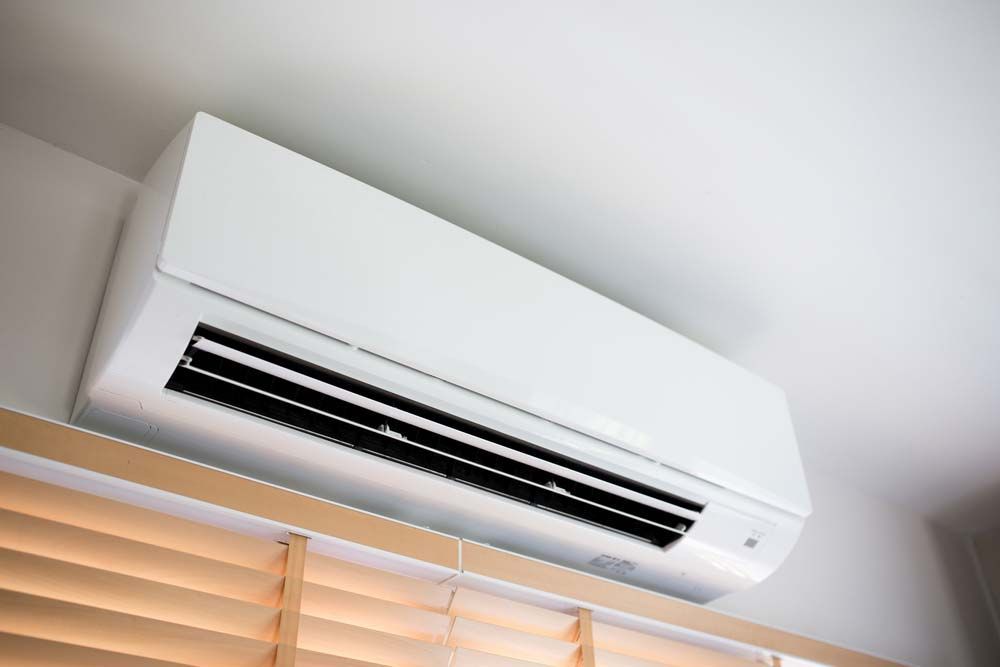
Few things frustrate shoppers more than a store that feels tropical near the entrance and freezing by the fitting rooms. Uneven cooling is common in larger retail spaces where a single thermostat tries to govern the entire floor. Zoning solves this by treating different areas as separate climates, each with its own controls and airflow, so comfort no longer depends on one central reading.
Zoning divides a store into separately controlled areas so cooling can respond to:
- Sun-exposed frontages that heat up faster than shaded back sections.
- Storerooms and offices with very different comfort needs to the shop floor.
- High-traffic aisles that demand stronger airflow than quiet corners.
A well-zoned store keeps every corner comfortable rather than just the average.
Lighting, Displays & Equipment: The Hidden Heat Sources
Not all heat comes through the front door. Retail interiors are full of equipment that quietly lifts the temperature all day long. Display lighting, refrigerated units, point-of-sale terminals and back-of-house machinery each contribute to the load. In a brightly lit store these sources combine into a steady stream of warmth the cooling system has to counter before it can even address the heat coming in from outside.
Behind the scenes, a surprising amount of warmth comes from:
- Spotlights and display lighting running continuously through trading hours.
- Fridges and freezers venting heat into the surrounding retail space.
- Registers, screens and back-room equipment adding to the overall load.
Accounting for these hidden sources is essential to accurate cooling design.
Correct System Sizing & Design for Retail Premises
An undersized system will never keep up with a busy shopfront, while an oversized one cycles on and off and wastes energy in the process. Correct sizing depends on measuring the real heat load of the space, not guessing from floor area alone. Good design for air conditioning in Dubbo retail premises accounts for local climate, building materials and the way a store actually trades day to day.
Getting the design right from the outset depends on factors such as:
- A proper heat load calculation covering people, equipment and sunlight.
- System capacity matched to peak trading conditions rather than quiet periods.
- Ductwork and vent placement planned around the store's real layout.
Sizing done properly pays for itself in comfort and lower running costs.
Smart Controls & Monitoring for Steady Retail Comfort
Even a well-designed system benefits from intelligent controls. Modern thermostats and monitoring tools let retailers respond to changing conditions instead of reacting only once customers start to complain. They track performance in real time and adjust cooling before the floor drifts out of range. For busy stores, this kind of oversight turns comfort into something predictable rather than something to hope for each day.
Modern control systems give retailers practical ways to hold comfort steady through:
- Programmable scheduling that ramps cooling up before peak trading begins.
- Remote monitoring that flags faults before they reach the shop floor.
- Sensors that balance airflow automatically as conditions shift.
Smart controls take much of the guesswork out of daily comfort.
Maintenance Schedules That Keep Retail Comfort Consistent
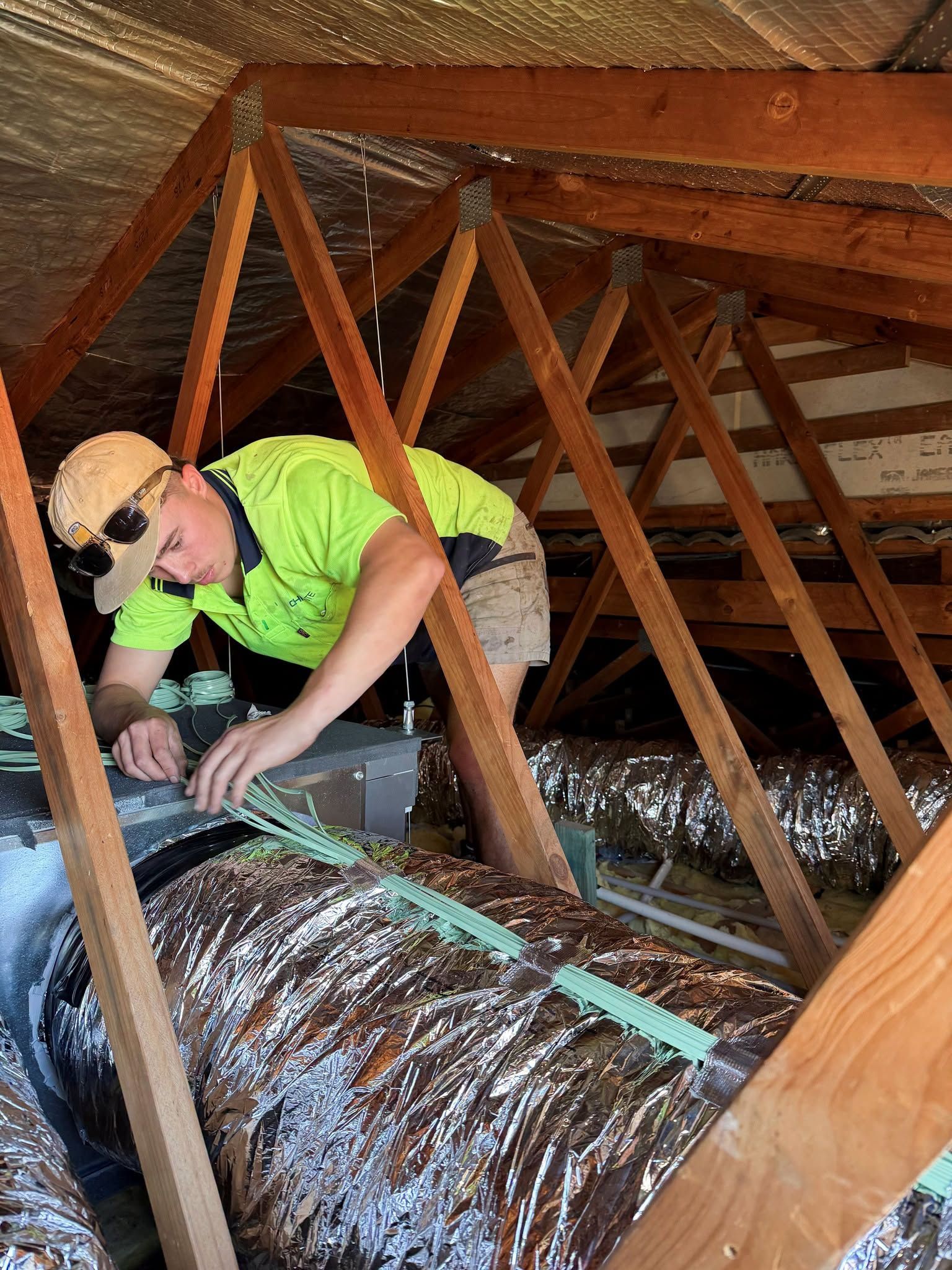
No cooling system holds its performance without regular care. Filters clog, coils gather dust and small faults grow into breakdowns when left unchecked. In a retail setting, an unexpected failure during peak season can cost sales and send customers straight back out the door. Scheduled maintenance keeps the system running efficiently and catches problems early, well before they turn into an expensive emergency in the middle of a heatwave.
A well-planned service routine typically covers:
- Cleaning or replacing filters so airflow stays strong and clean.
- Checking refrigerant levels and coils to protect cooling capacity.
- Inspecting controls and components to catch wear before it fails.
Consistent servicing is the quiet work behind consistent comfort.
Commercial Air Conditioning for Dubbo Retail Businesses
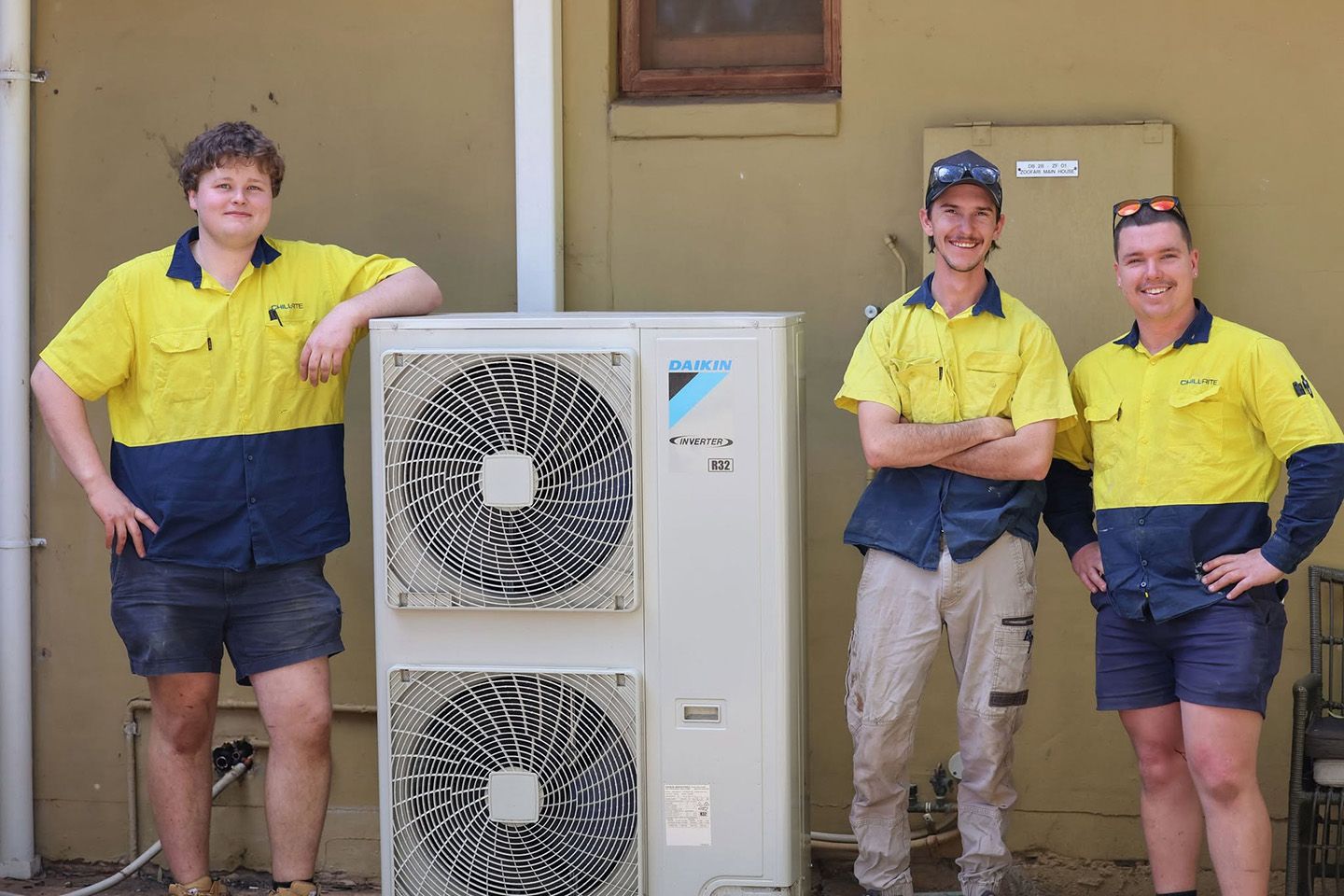
We at Chill-Rite Refrigeration & Air Conditioning understand exactly what Dubbo retailers are up against. Long summers, dusty conditions and busy trading floors all push a cooling system to its limits, and we design around those realities every single day. From heat load assessments and zoning to smart controls and scheduled servicing, we help local stores stay comfortable no matter how many customers move through the door. If you want dependable air conditioning in Dubbo that holds a steady temperature through the hottest and busiest days of the year, get in touch with our team to book an assessment or arrange a service that suits your premises.