How Often Should You Service Your Air Conditioner In Newcastle? (By System Type & Season)
Most people only think about servicing once their system starts underperforming, making odd noises or giving up on the hottest day of the year. If you rely on air conditioning Newcastle properties often need through warm, humid spells and sudden weather shifts, routine servicing is one of the simplest ways to protect comfort, efficiency and the life of the unit. The right schedule depends on your system type, how heavily it runs and the conditions it is exposed to across the year.
Servicing is not just a box-ticking exercise. It is preventative care that helps spot wear early, keeps airflow strong and reduces strain on core components. In coastal conditions, systems can cop extra exposure to moisture and airborne salts, which can speed up corrosion and increase the chance of electrical issues if maintenance is ignored. A planned approach across seasons helps you avoid breakdowns, manage power costs and keep performance consistent when you need it most.
Table of Contents
- Why Servicing Matters More Than Most People Think
- How Local Coastal Conditions Affect Wear And Tear
- Split Systems: Recommended Servicing Frequency And What Gets Checked
- Ducted Systems: Maintenance Needs By Zone And Usage Patterns
- Commercial Units: Higher Demand Means More Frequent Servicing
- Seasonal Timing: A Practical Schedule That Prevents Breakdowns
- Warning Signs That You Should Not Ignore
- What A Quality Service Includes And Why Professional Care Pays Off
- Next Steps For Reliable Cooling In Newcastle
Why Servicing Matters More Than Most People Think
Air conditioners are a mix of electrical parts, moving components and airflow pathways that must stay clean and balanced to work properly. Dust builds up on filters and coils, condensate lines can partially block, fan motors wear and connections can loosen over time. Even small issues can reduce efficiency and increase running costs, especially during high-use periods.
Servicing also matters for comfort quality. A system that is slightly underperforming can still run, but it will take longer to cool, cycle more often and struggle to control humidity. That usually shows up as hot spots, clammy rooms or a unit that never seems to switch off.
- Keeps airflow and heat transfer efficient
- Reduces strain on compressors and fan motors
- Helps maintain consistent temperature control
- Supports healthier indoor air by reducing dust buildup
When you treat servicing as routine maintenance, your Newcastle air conditioning system becomes far more dependable across the year.
How Local Coastal Conditions Affect Wear And Tear
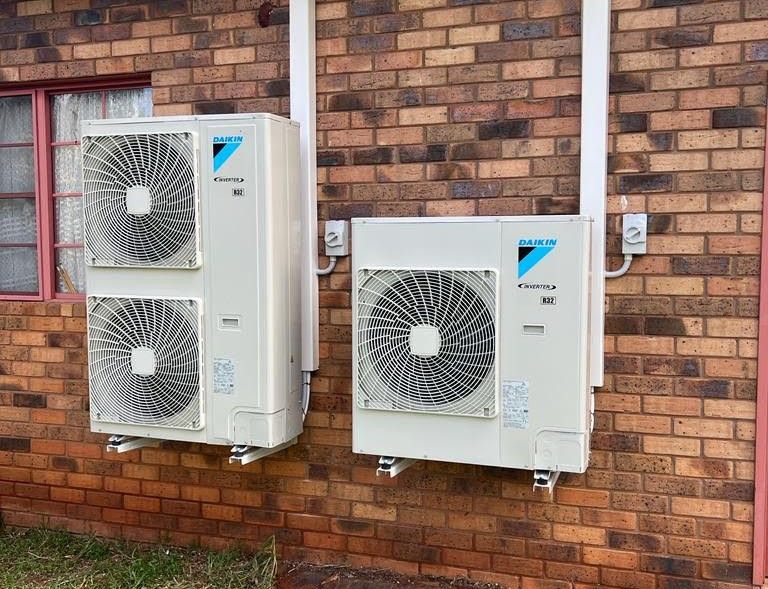
Coastal environments can be harder on air conditioning systems than inland areas. Moisture in the air can encourage corrosion on outdoor components, while salt-laden air can accelerate degradation on metal parts, coils and fasteners. Humidity can also increase the load on systems because they must remove moisture as well as heat, which means longer run times and more frequent cycling during muggy stretches.
Seasonal changes matter too. Systems that sit idle for months can develop minor issues that only show up when the unit is pushed hard again. That is why a proactive check before heavy-use periods is so valuable.
- Humidity can increase runtime and condensate production
- Salt exposure can speed up corrosion of outdoor components
- Fine airborne debris can clog coils and filters faster
- Rapid weather shifts can lead to stop-start usage patterns
A servicing plan that accounts for these factors is the most practical form of AC maintenance Newcastle households and businesses can rely on.
Split Systems: Recommended Servicing Frequency And What Gets Checked
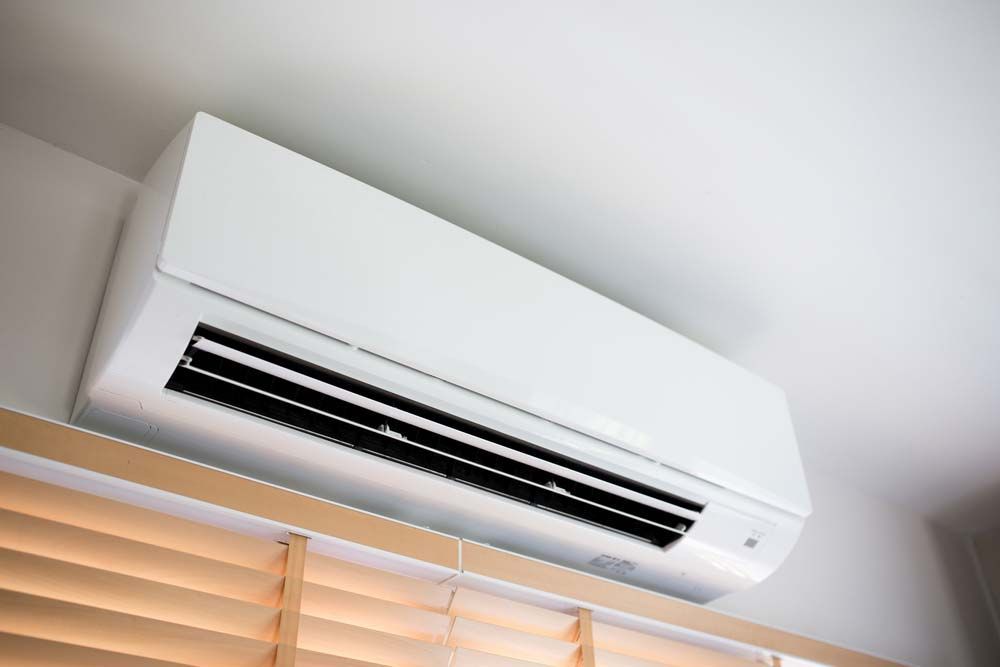
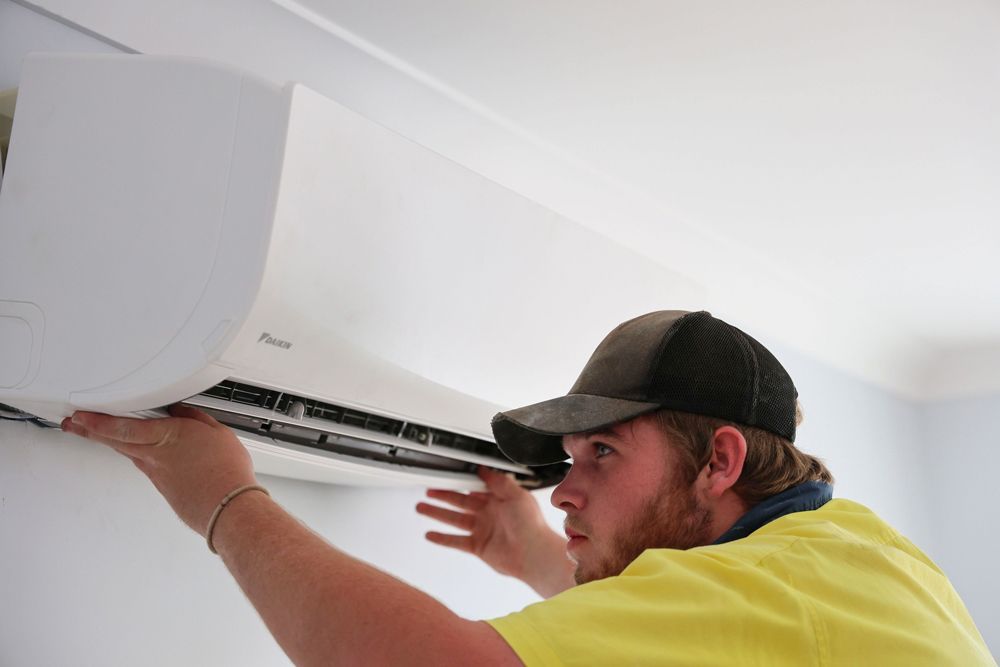
Split systems are common in homes, small offices and retail spaces. They are generally straightforward, but they still need regular attention to stay efficient. A good baseline is one professional service every 12 months for typical household use. If the unit runs heavily, supports multiple rooms, or is in a harsher exposure position, a six-month schedule can be a better fit.
A proper service is more than wiping a filter. It includes cleaning coils where needed, checking electrical components, confirming drainage, testing performance and ensuring refrigerant levels and pressures are operating within safe ranges.
- Clean or replace filters and check airflow performance
- Inspect indoor and outdoor coils for dirt buildup and corrosion
- Test electrical connections and operating controls
- Check condensate drainage and signs of leaks
Regular servicing helps avoid the slow performance decline that often leads people to book air conditioner servicing in Newcastle only once the system is already struggling.
Ducted Systems: Maintenance Needs By Zone And Usage Patterns
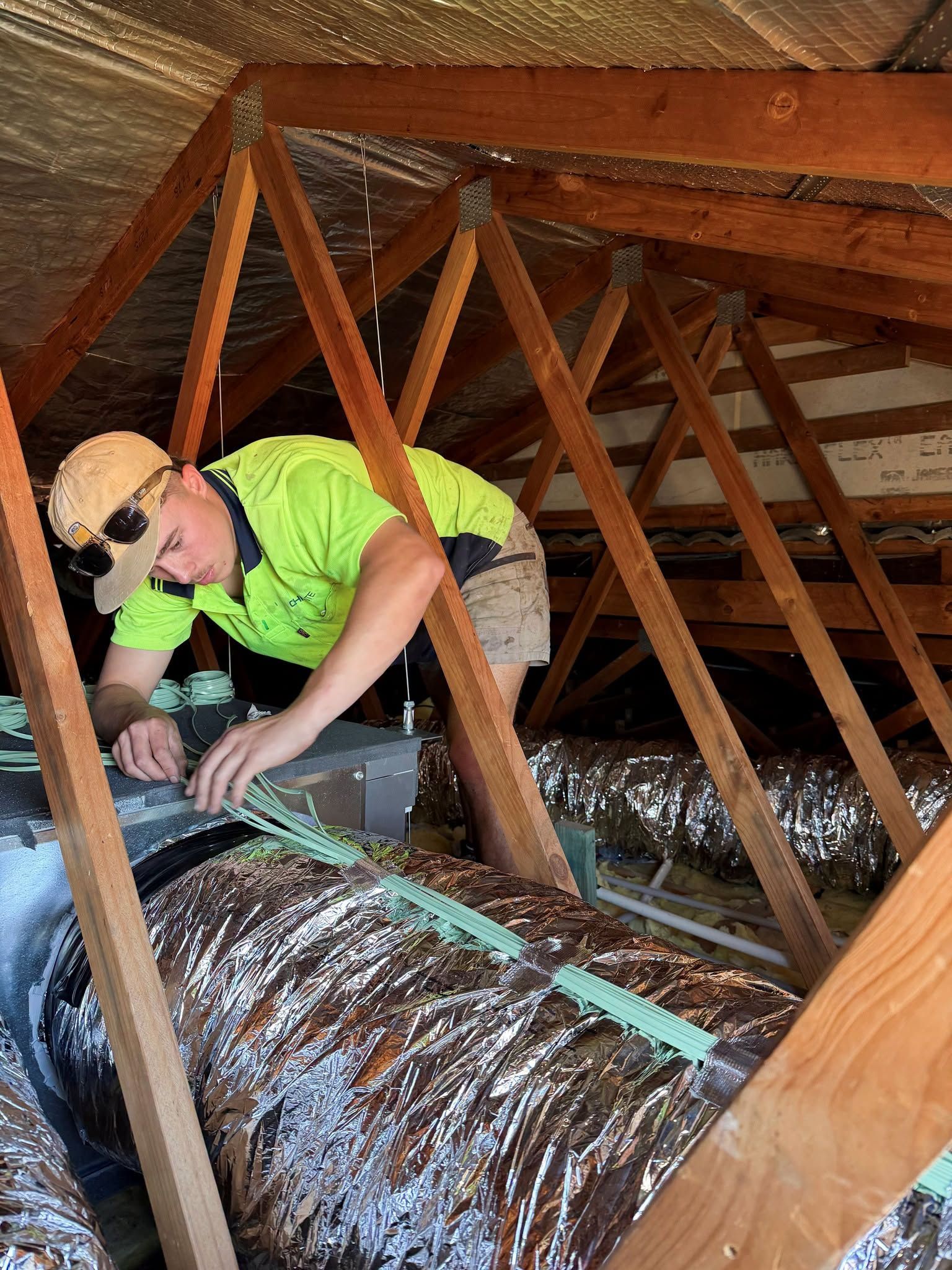
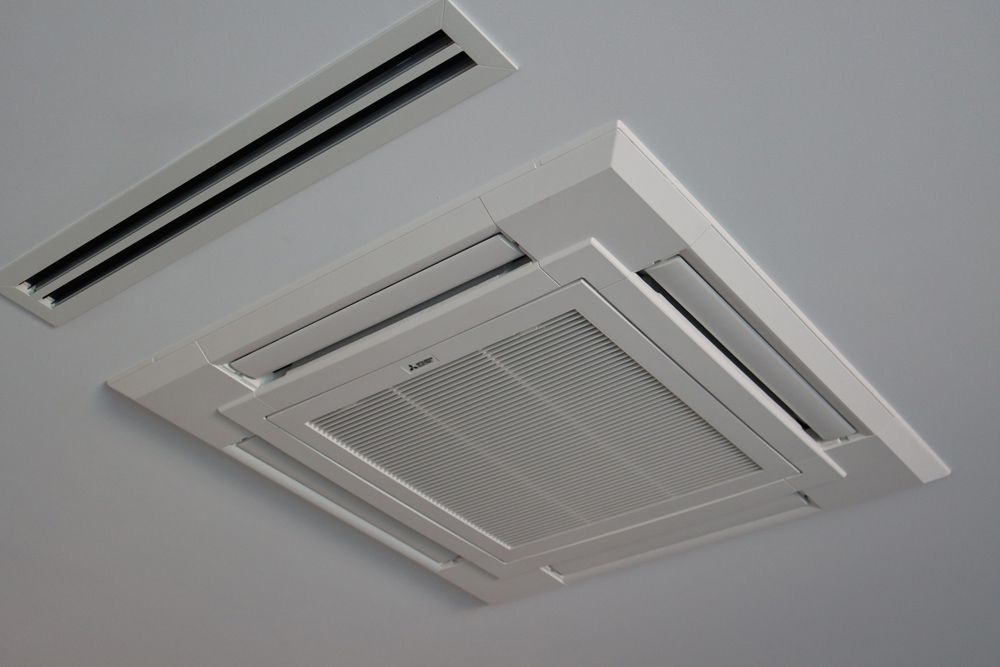
Ducted systems have more moving parts and more points where efficiency can be lost. Filters, return air pathways, zoning motors and ductwork condition all influence how well the system performs. Because ducted systems often run for longer periods and manage larger areas, servicing is essential for keeping airflow balanced and for spotting faults early.
For most ducted systems, an annual service is a minimum. Many households benefit from a pre-summer check as well, particularly if the system is used heavily through warmer months or if there are known airflow issues in certain zones.
- Check filters, return air pathways and general airflow balance
- Test zoning controls, thermostats and motorised dampers
- Inspect ductwork access points for leaks or disconnections
- Confirm the system is operating efficiently across all active zones
A structured plan reduces the chance of uneven cooling and helps keep energy use under control, which is a key goal for anyone investing in a Newcastle air conditioning system long term.
Commercial Units: Higher Demand Means More Frequent Servicing
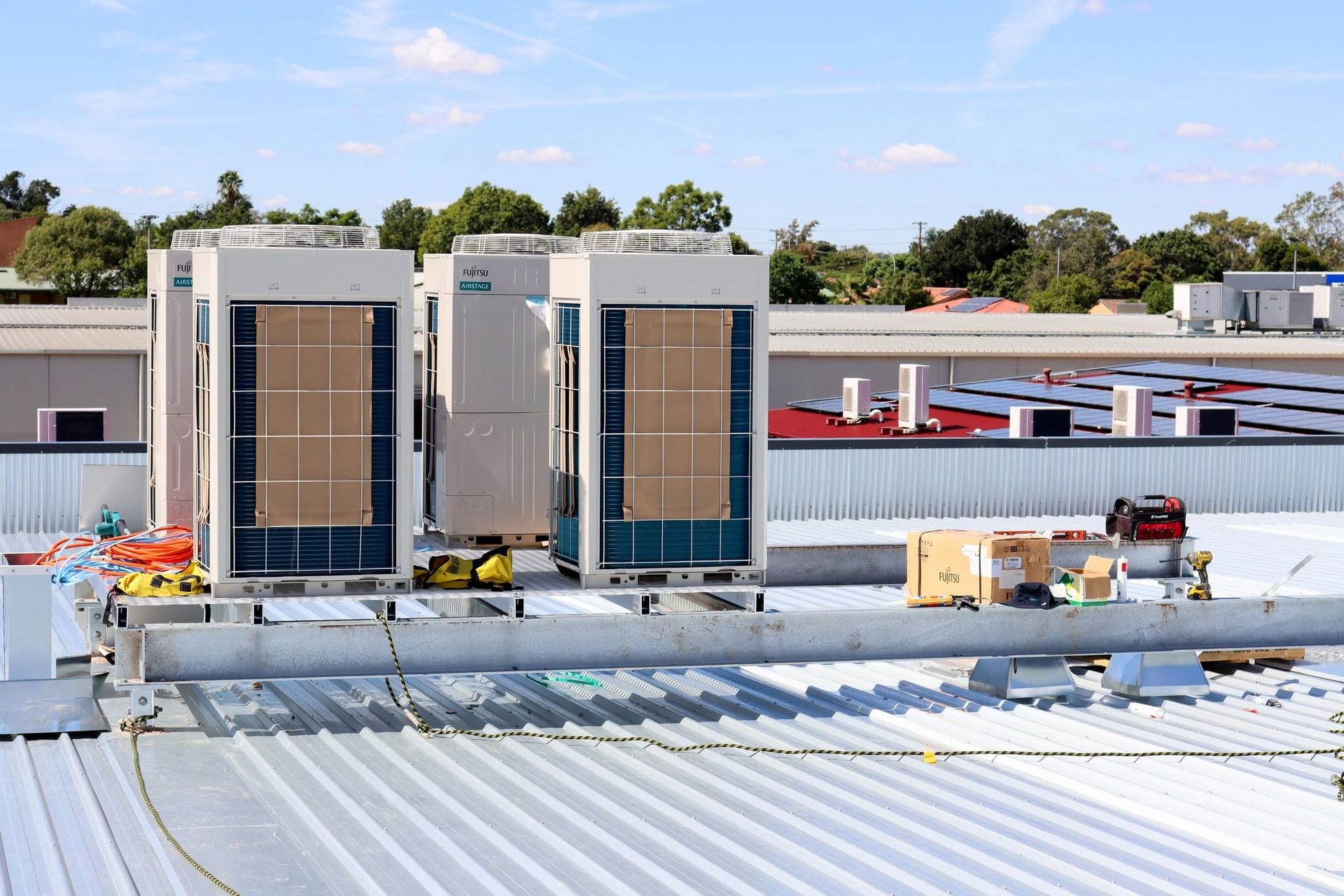
Commercial systems typically operate more hours, cool larger spaces and handle heavier occupancy loads. That often means higher wear and greater risk of downtime if maintenance is delayed. For most commercial setups, servicing every three to six months is common, with frequency guided by operating hours, the type of space and the critical nature of continuous cooling.
Preventative servicing is also a smarter business decision. A breakdown can disrupt staff productivity, customer comfort and equipment performance, particularly in settings where temperature control is operationally important.
- More frequent checks reduce downtime risk during business hours
- Regular cleaning supports efficiency and consistent comfort
- Component inspections catch faults before they become urgent
- Service records help with planning, budgeting and compliance
A proactive schedule is the most effective form of AC maintenance Newcastle businesses can adopt, especially when systems run hard during peak seasons.
Seasonal Timing: A Practical Schedule That Prevents Breakdowns
Servicing is most effective when it is timed around high demand. Instead of waiting for a heatwave to reveal problems, book maintenance before heavy use begins. A seasonal approach also makes it easier to budget and to ensure availability with a technician before peak demand.
A simple plan that works for many property owners is a spring service before summer use, plus an optional autumn check if the system ran heavily or showed signs of strain.
- Spring servicing prepares the system for sustained summer use
- Mid-season checks suit high-use homes and commercial sites
- Autumn servicing helps address wear after peak operation
- Booking early avoids peak-period delays
This approach helps reduce emergency call-outs and improves overall reliability for air conditioning in Newcastle.
Warning Signs That You Should Not Ignore
Even with a planned schedule, there are clear signs your system may need attention sooner. These signals usually show up as performance changes, unusual noises or changes in airflow. Ignoring them often leads to higher power bills, reduced comfort and increased wear on major parts.
If you notice any of the following, it is worth booking a service rather than hoping the issue resolves itself.
- Reduced airflow, uneven cooling, or longer run times
- Unusual noises such as rattling, grinding, or buzzing
- Musty smells, damp odours, or signs of mould near vents
- Water leaks, dripping, or frequent condensate issues
Acting early is the difference between routine upkeep and urgent repairs, which is why air conditioner servicing in Newcastle should be scheduled when symptoms first appear, not when the unit fails.
What A Quality Service Includes And Why Professional Care Pays Off
A proper air conditioning service is methodical. It checks the health of key components, confirms safe operation and addresses buildup that reduces efficiency. It also involves testing and verification, not guesswork. While basic filter cleaning can be done by a homeowner or site manager, professional servicing is what protects compressors, electrical components and performance under load.
A good technician will also explain what they found, what was addressed and what to watch next. That transparency matters because it helps you plan future maintenance and avoid avoidable breakdowns.
- Deep cleaning where buildup impacts coil performance
- Electrical and control checks for safe operation
- Drainage inspection to prevent water damage issues
- System testing to confirm output and efficiency
If your goal is long-term reliability, professional servicing is not an optional extra. It is the foundation of effective AC maintenance Newcastle property owners can depend on.
Next Steps For Reliable Cooling In Newcastle
We at Chill-Rite Refrigeration & Air Conditioning provide proactive servicing and preventative care designed to keep systems running efficiently in Newcastle’s coastal conditions. If you are looking for reliable air conditioning support or a clear maintenance plan tailored to your system, our team can help. Contact us to book a service or speak with us about the right servicing schedule for your home or business.